Growing Healthy Dahlias: Tips for a Vibrant Garden
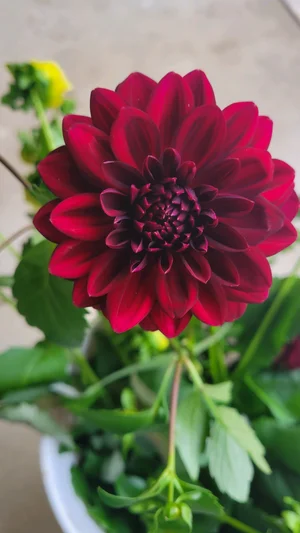
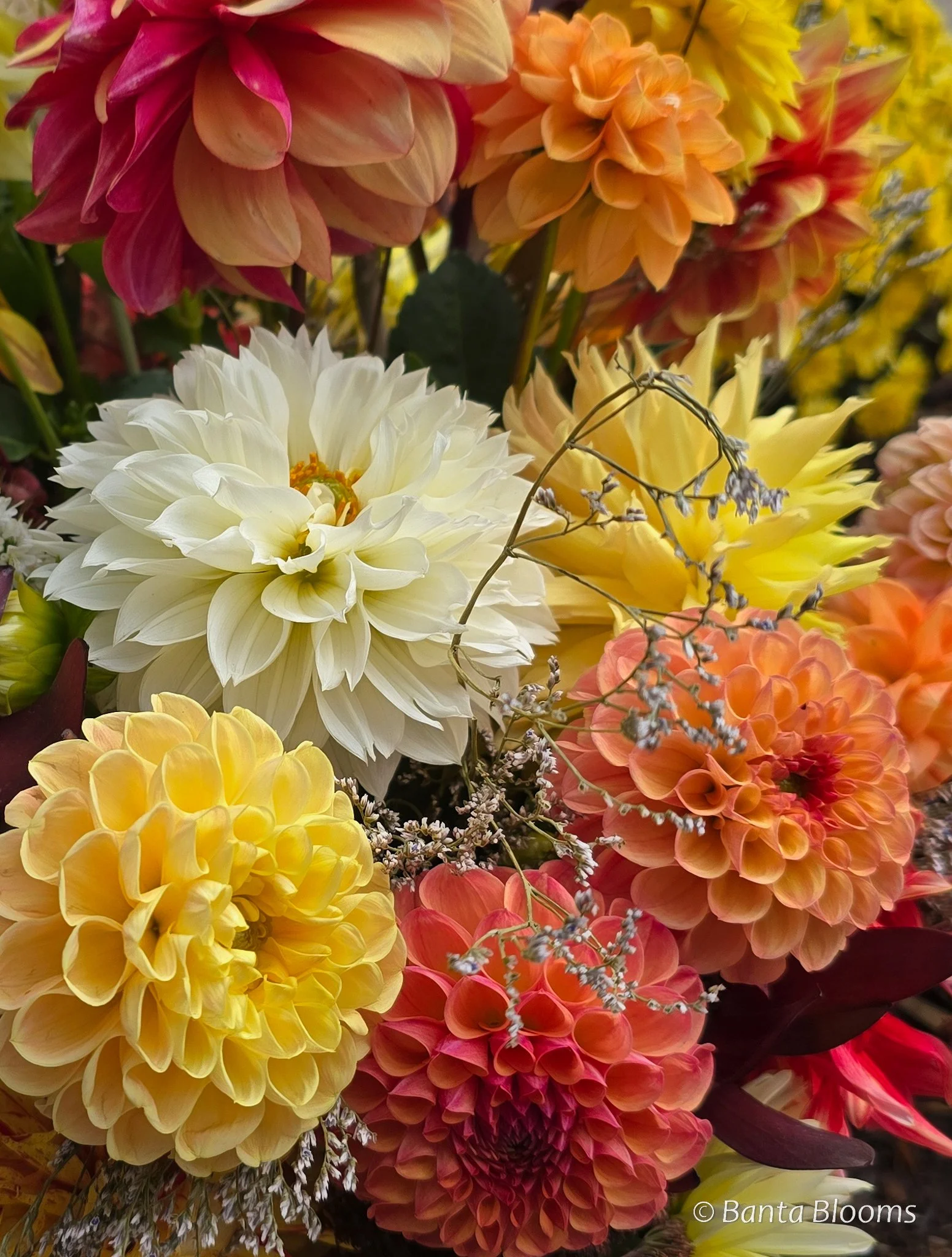
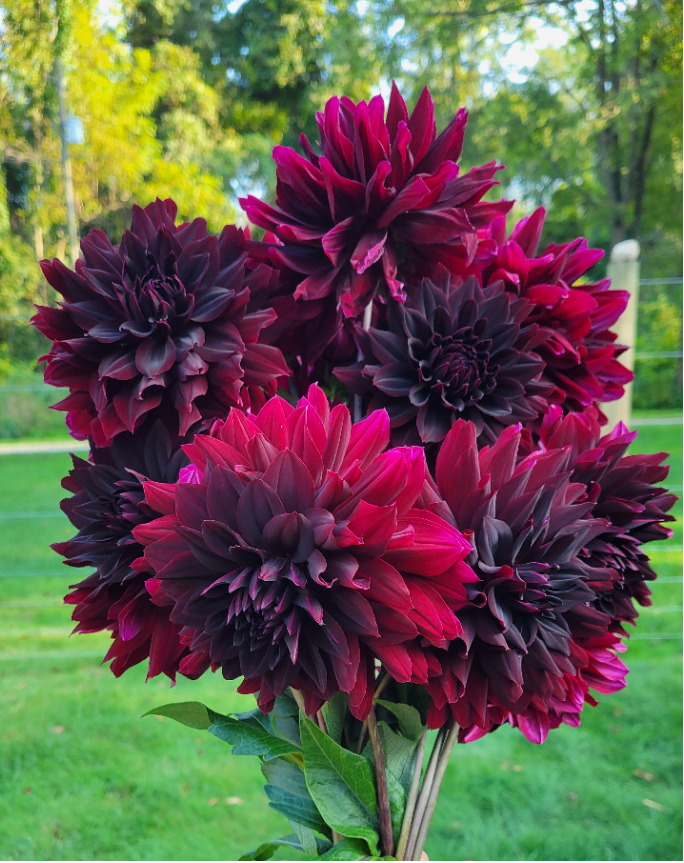
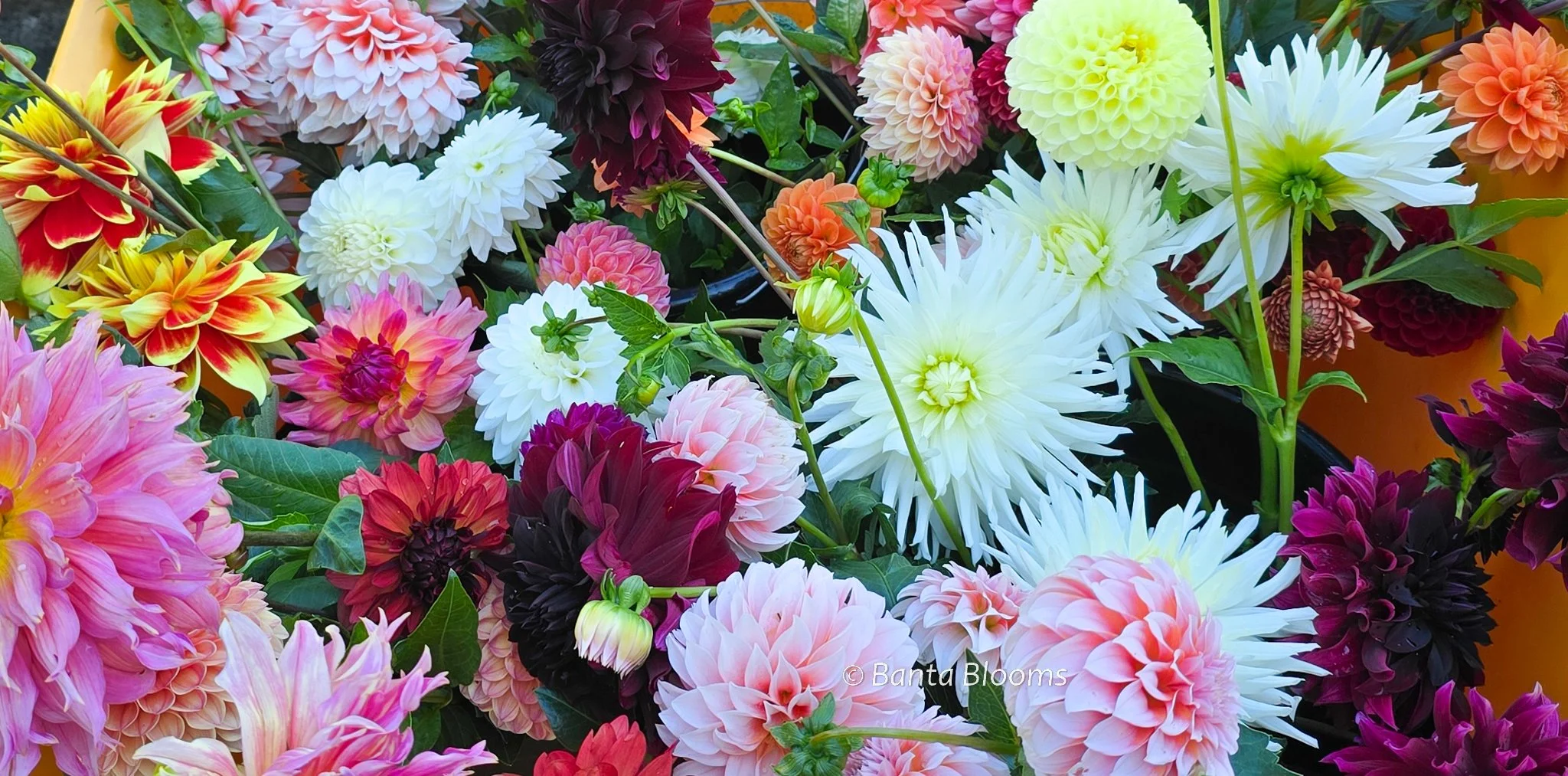
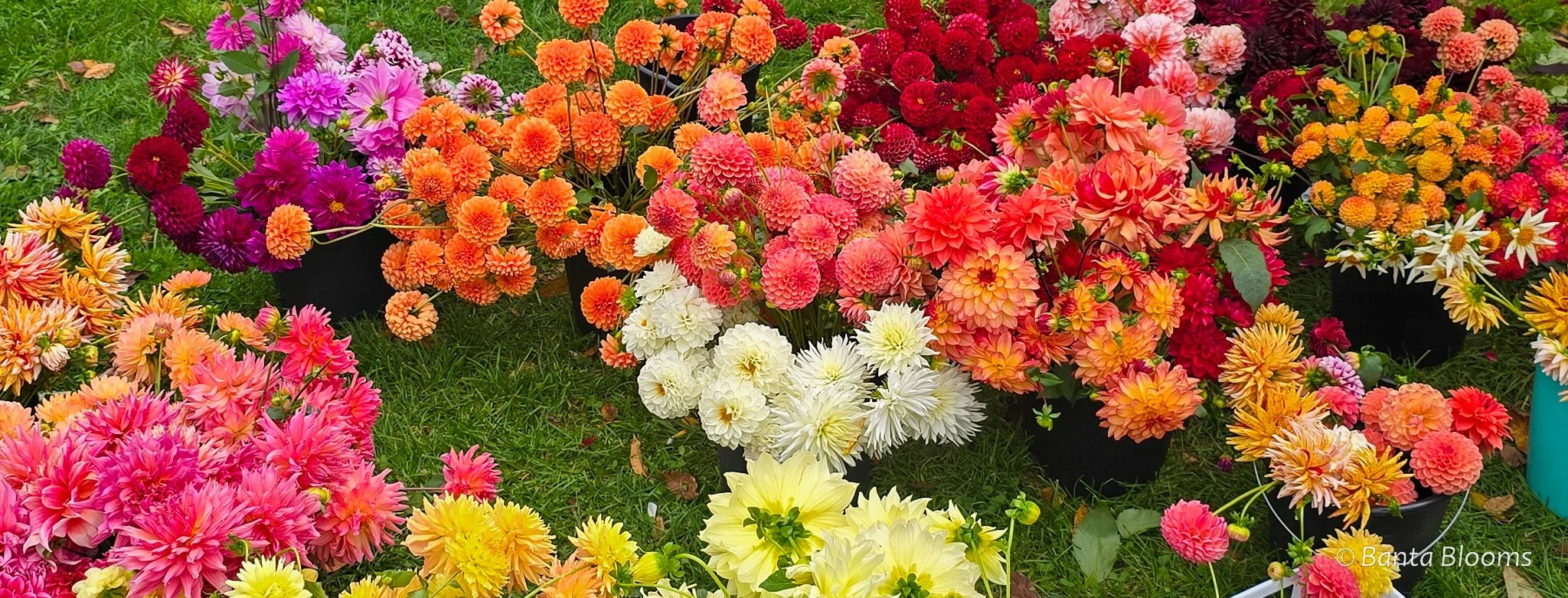
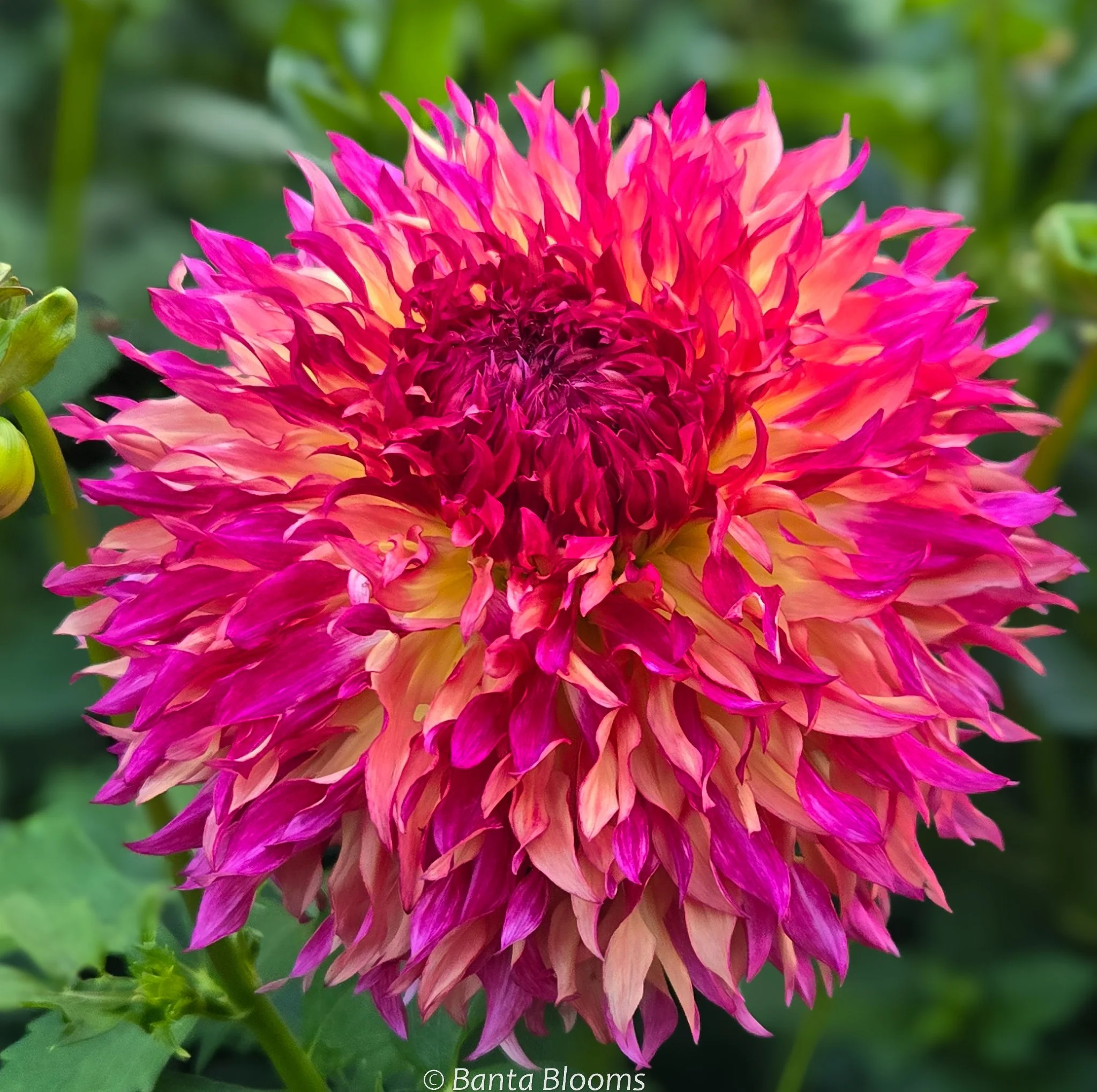
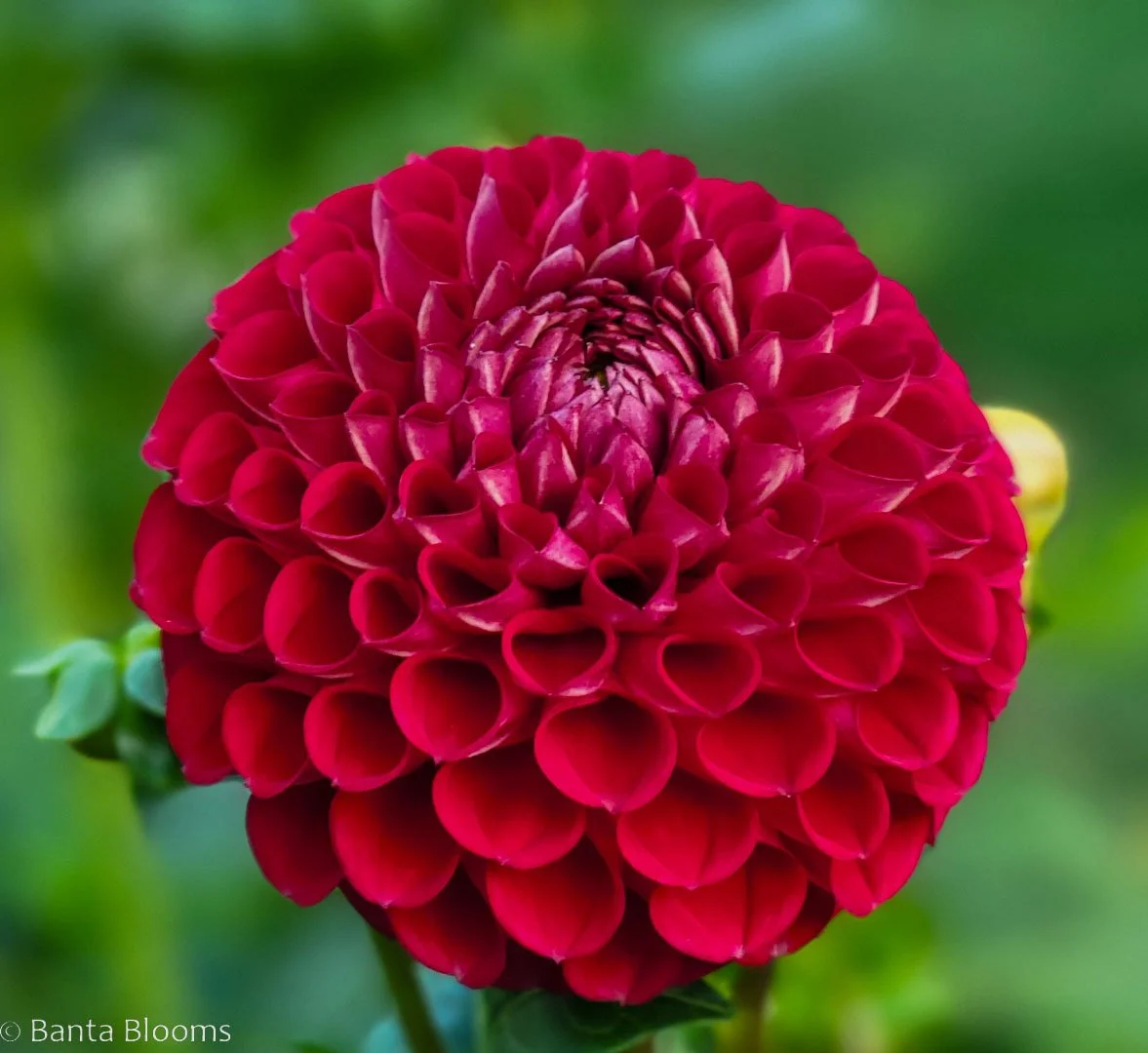
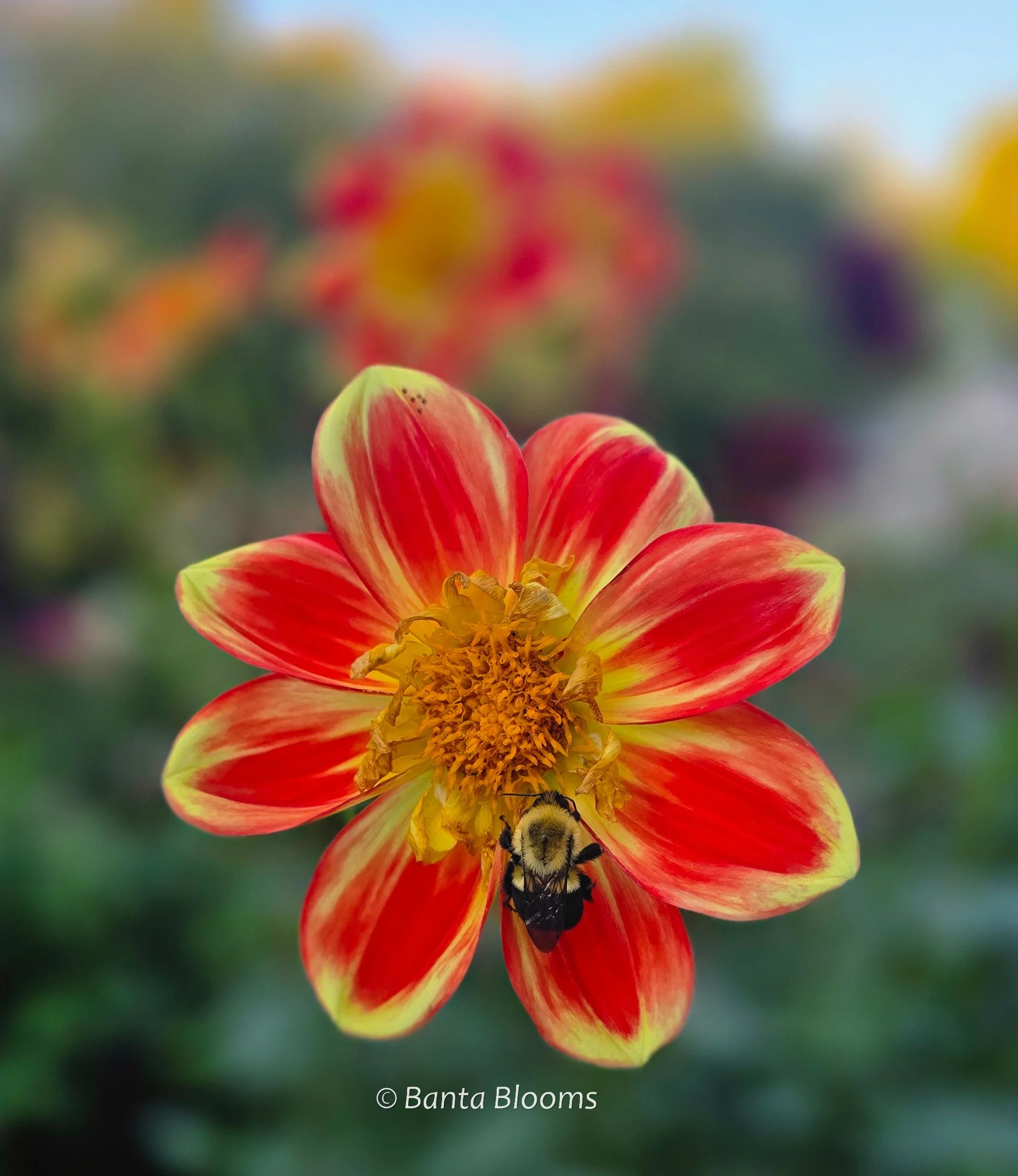
Dahlias are the undisputed showstoppers of any garden. With their bold, vibrant colors and incredible variety of shapes and sizes. From delicate petite pompons to massive 10–12-inch giants, these late-summer bloomers bring drama and joy right up to the first frost. Whether you're a seasoned gardener or just starting out with a trowel in hand, growing healthy dahlias is rewarding and achievable. Here are my tried-and-true tips to help your plants thrive and turn heads in your neighborhood.
Start with the Right Spot
Dahlias love sunshine—at least 6–8 hours of direct sunlight each day is essential for strong stems and abundant blooms. Choose a location with well-draining soil; these flowers hate "soggy feet." If your soil is heavy clay, amend it generously with compost or other organic matter to boost drainage and fertility. Aim for a slightly acidic to neutral pH (6.0–7.0). A quick soil test can confirm you're on the right track.
Planting Like a Pro
Timing matters! In my area (like Michigan's climate), I wait until mid-May, after all frost danger has passed and soil temperatures reach about 60°F to plant tubers. Dig holes 6–8 inches deep, place the tuber horizontally with the "eye" (growth bud) facing upward, and space plants 1–3 feet apart. I plant most of mine about 16 inches apart to accommodate their bushy growth.
Cover lightly with soil and give a gentle sprinkle of water—avoid heavy soaking at first to prevent rot. The tuber provides all the initial nourishment until sprouts appear.
Watering and Feeding
Once established, keep soil consistently moist (but never waterlogged)—about 1 inch of water per week, more during dry spells. Mulch around the base with straw or shredded bark to retain moisture and suppress weeds. Fertilize every 3–4 weeks with a balanced option like 10-10-10, but go easy on high-nitrogen formulas to encourage blooms over excessive foliage.
Support and Pruning
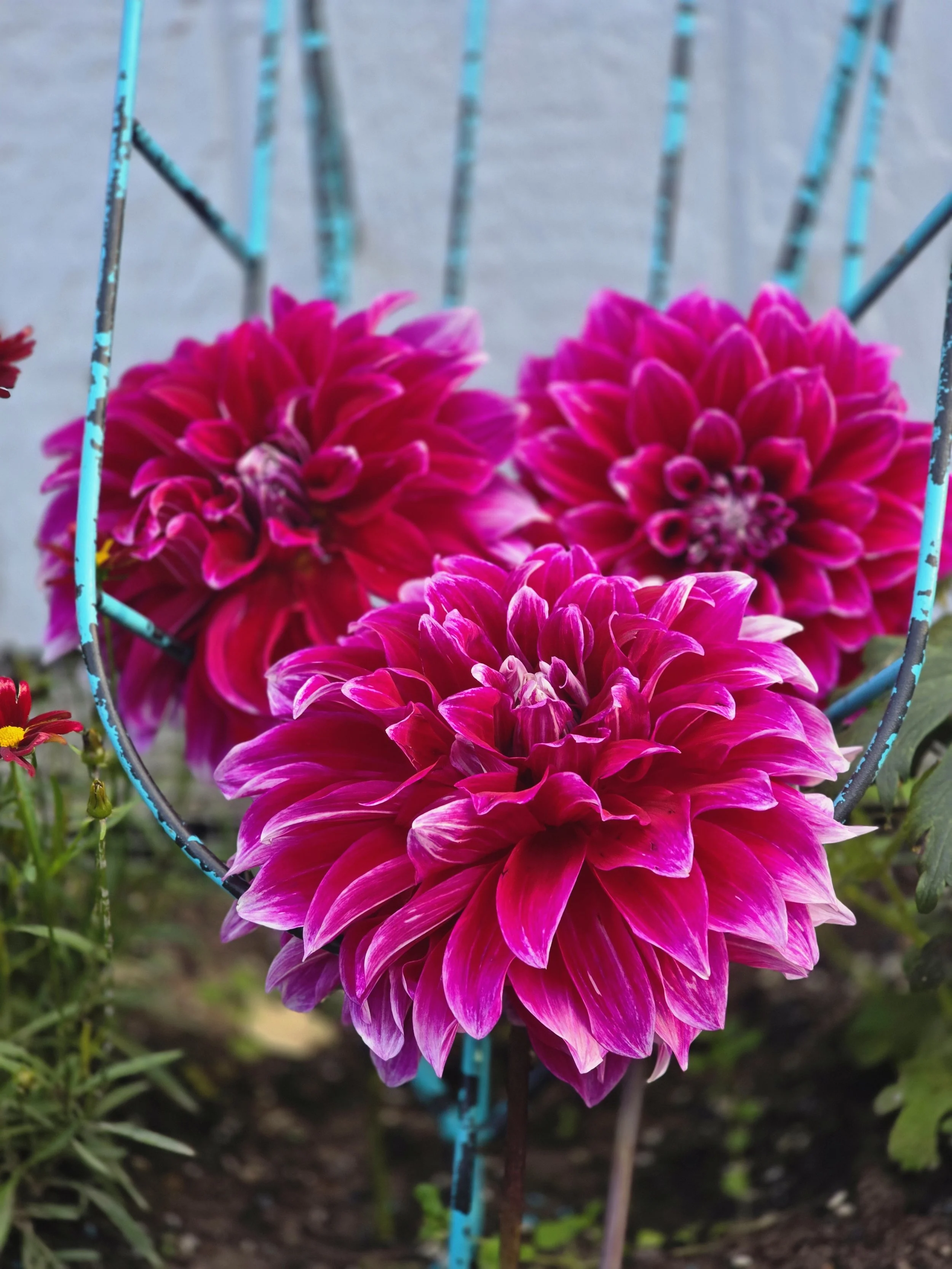
Many dahlias grow tall (4–6 feet or more), so staking is crucial to prevent wind damage or heavy flower heads from flopping. Install stakes or cages right at planting time to avoid damaging tubers later. When plants reach 12–18 inches, pinch back the growing tips to promote bushier growth and more flowers. Deadhead spent blooms regularly to extend the display into fall.
Pest and Disease Watch
Stay vigilant: slugs and snails adore tender young shoots—use crushed eggshells or diatomaceous earth as a barrier. Aphids and spider mites can appear; a strong water spray or insecticidal soap usually handles them. For powdery mildew in humid weather, prioritize good air circulation and avoid overhead watering.
Overwintering Tubers
In colder climates like Michigan, dahlias won't survive winter outdoors. After the first frost blackens the foliage, cut stems back to 4–6 inches, dig up the tubers carefully, and let them dry for a day or two. Store in a box with peat moss or vermiculite in a cool, dark spot (40–50°F). Check monthly for shriveling or rot—proper storage gives you a head start next season. Take a look at my next post about Storing Dahlias.
Final Flourish
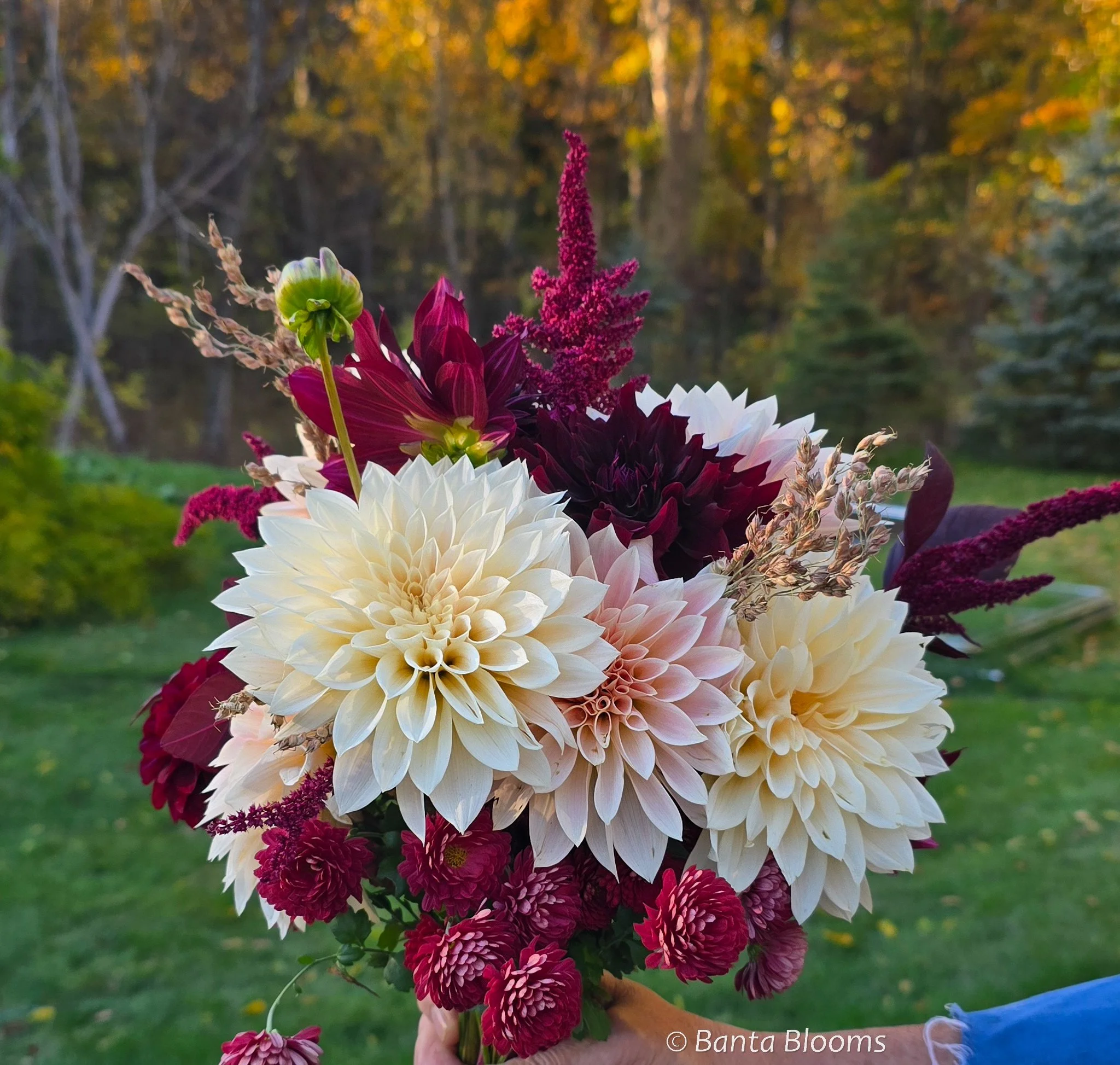
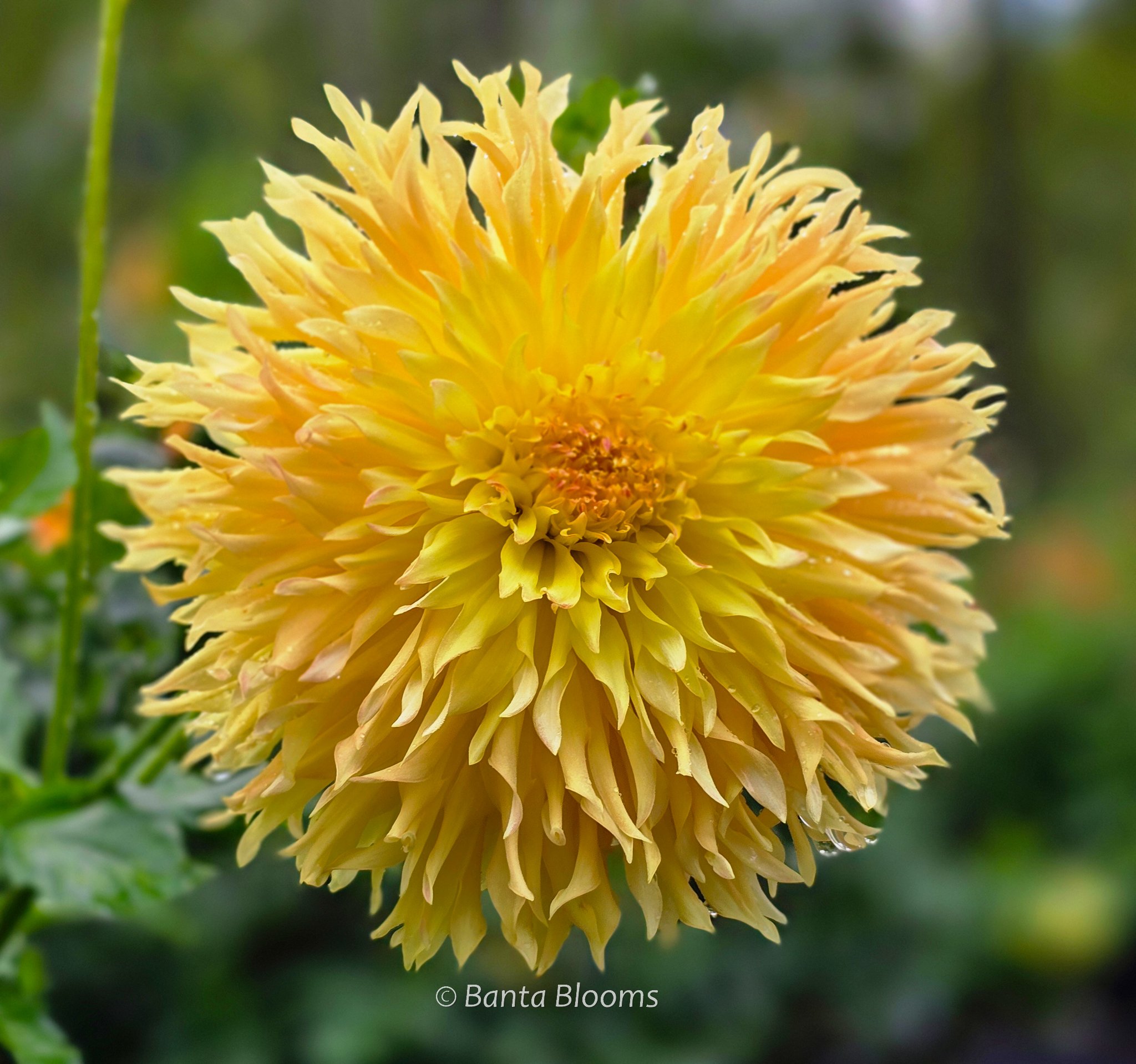
With the right care, Dahlias deliver a spectacular riot of color from mid-summer through frost. Mix varieties for endless interest: ‘Café au Lait’ for creamy, elegant perfection, ‘Kelvin Floodlight’ for brilliant yellow 10-inch showstoppers, or ‘Rip City’ for deep, dramatic red vibes.
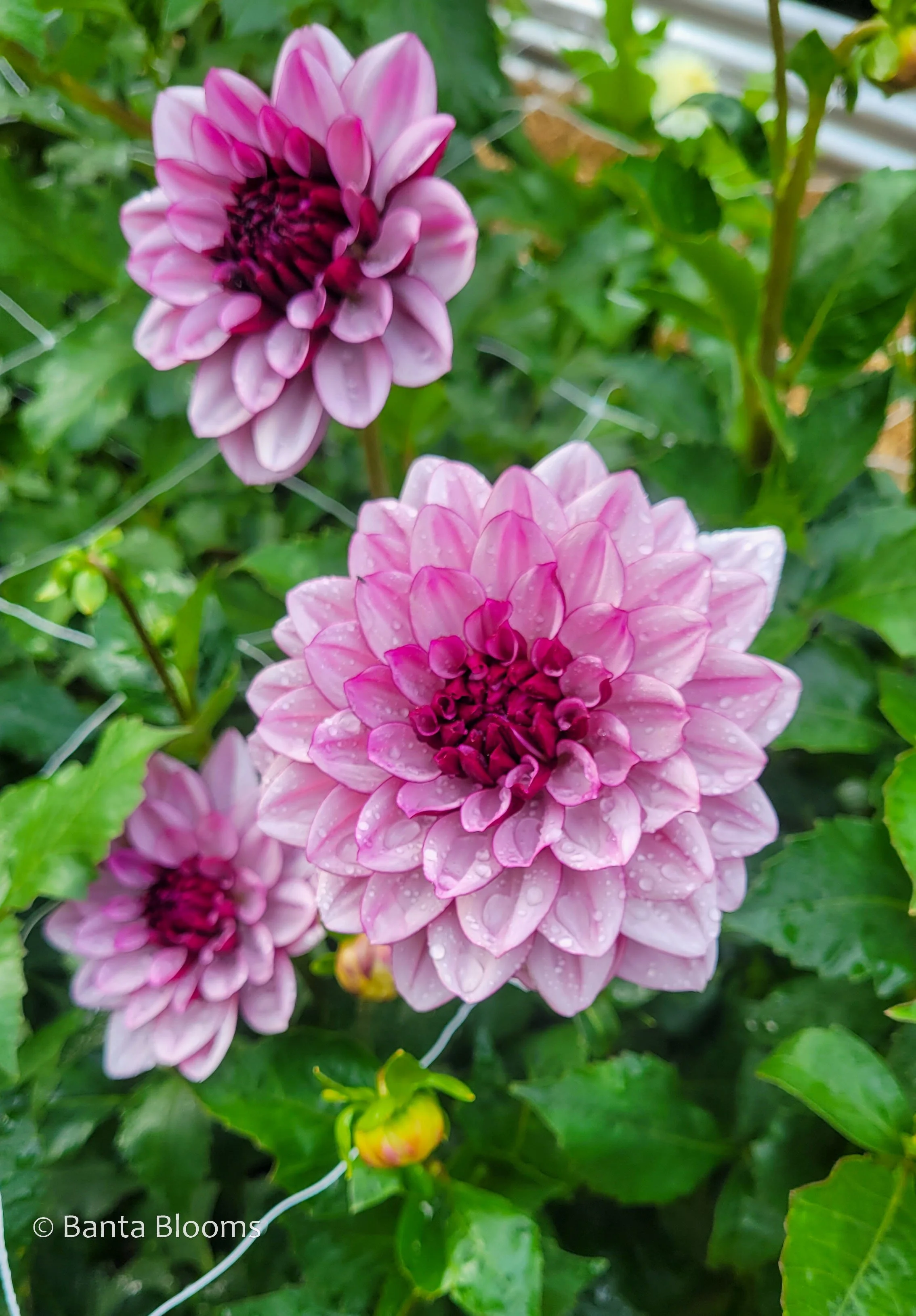
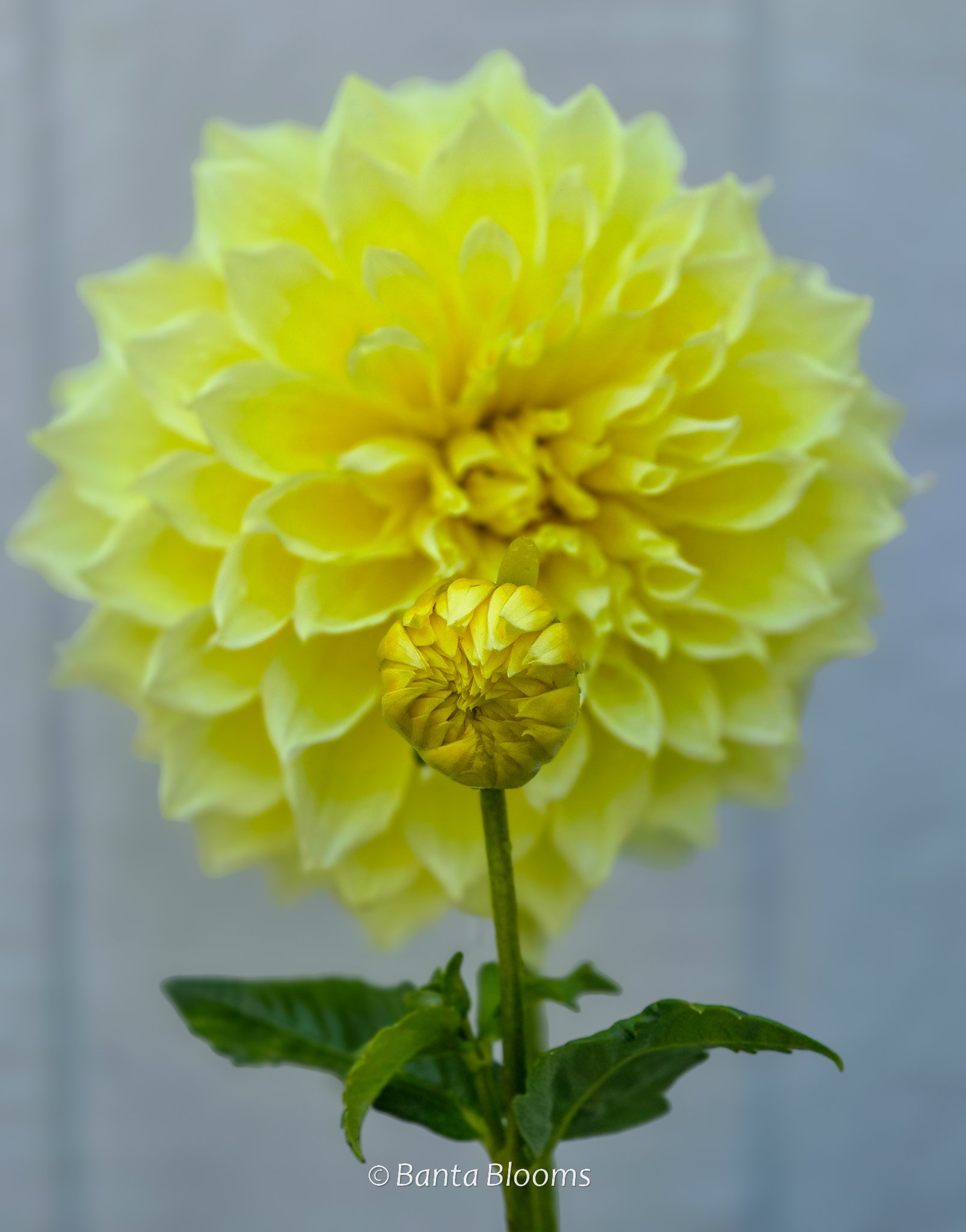
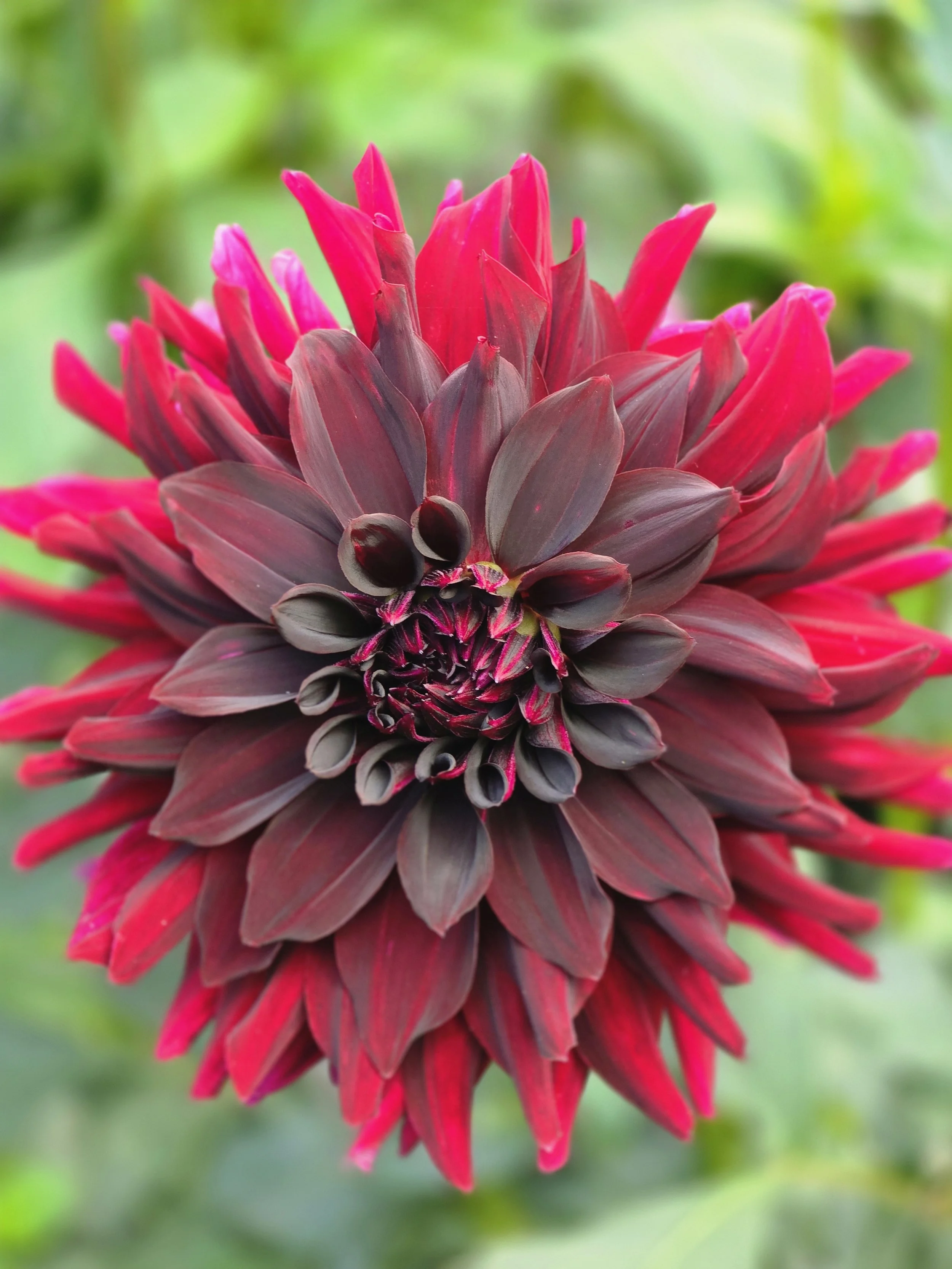
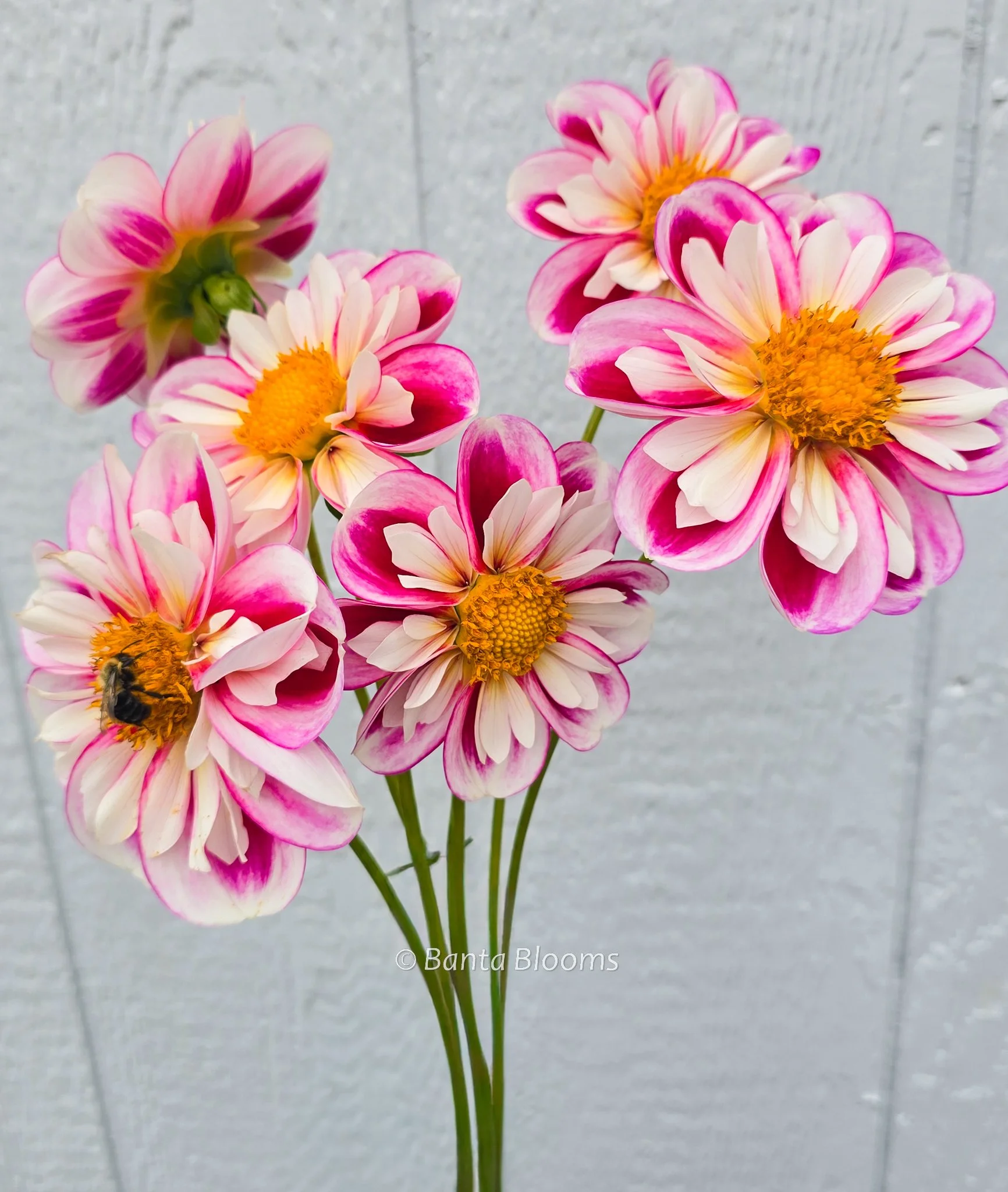
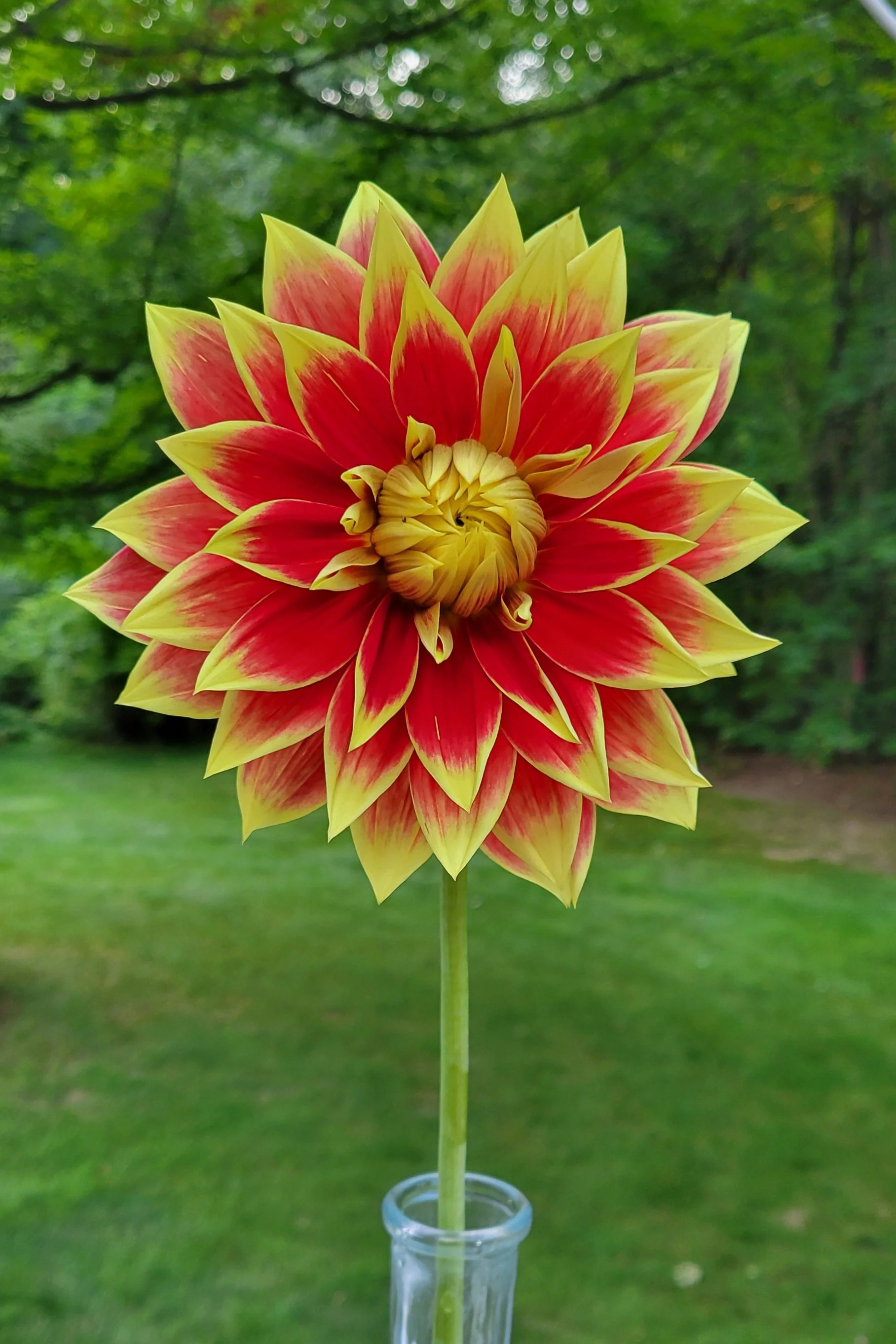

By what I can only call divine intervention, I discovered the enchanting world of dahlias. The moment I planted my first tuber Crème de Cassis. I was completely hooked. Season after season, my passion grew as I acquired more varieties, refined my techniques, and learned the joys of caring for, storing, and coaxing them back to life each spring. For me, tending dahlias and flowers is more than a hobby—it's therapy that heals my soul. That's why I created Banta Blooms Dahlia and Flower Farm: to share this love and beauty with others.
If you have questions or want to chat about growing these beauties, please reach out by email at mona@bantablooms.com.
Happy planting, and may your garden bloom with dahlia delight!